Breast Augmentation for Flat Chest
A flat or underdeveloped chest is a completely natural body variation. However, for many women, limited breast volume can impact body confidence, clothing choices, and overall self-image. While padded bras and contour styling may provide temporary solutions, they do not create permanent structural change.
Breast augmentation surgery remains the most effective and scientifically proven method to enhance breast size, shape, and symmetry. When performed by an experienced plastic surgeon, it offers safe, customizable, and natural-looking results.
In this comprehensive guide, we’ll explore the causes of a flat chest, non-surgical myths, candidacy criteria, implant options, realistic outcomes, recovery expectations, and expert insights from Dr. Sumit Malhotra, a leading cosmetic and plastic surgeon known for aesthetic precision and patient-centered care.
What Causes a Flat Chest Appearance?
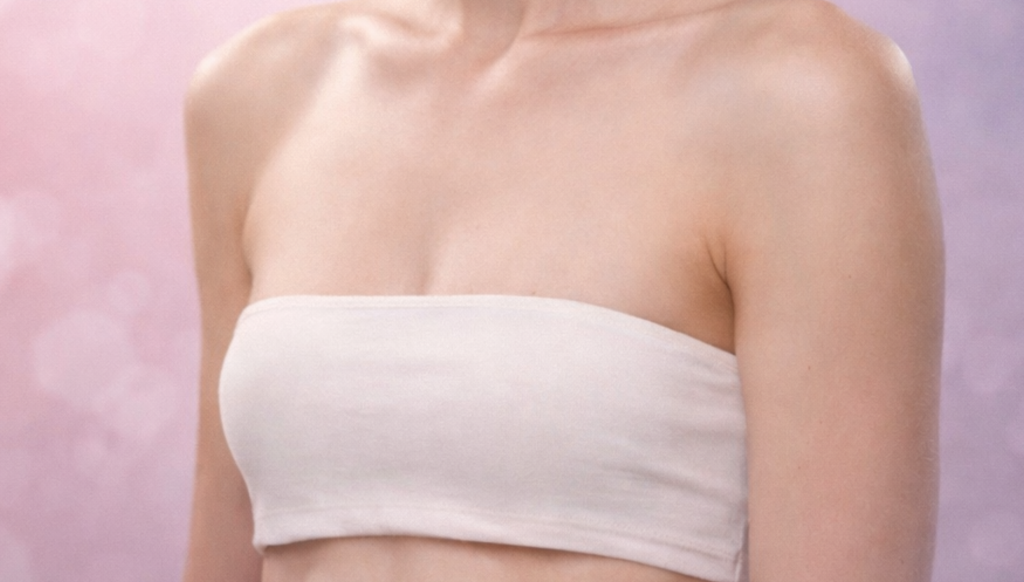
Breast size is influenced by multiple biological and lifestyle factors. Understanding the root cause helps determine whether surgical enhancement is the right solution.
Genetics
Genetics plays the most significant role in determining breast development. If women in your family naturally have smaller breast volume, it is likely inherited. Some individuals simply develop less glandular tissue during puberty, resulting in a flatter chest contour.
Hormonal Factors
Hormones such as estrogen and progesterone regulate breast development during puberty. Variations in hormonal levels can influence the amount of breast tissue formed. In some cases, hormonal imbalances may also affect development, though this is less common.
Post-Weight Loss
Breasts contain a combination of glandular tissue and fat. Significant weight loss reduces fat volume, which can lead to deflation and a flatter appearance. This is particularly common after extreme dieting or bariatric surgery.
Post-Pregnancy Changes
Pregnancy and breastfeeding cause breast enlargement due to hormonal changes. Once lactation stops, breast tissue may shrink, sometimes leaving a flatter or less full appearance than before pregnancy.
In all these scenarios, breast augmentation can restore fullness and enhance proportion.
Can Exercise or Diet Increase Breast Size?
This is one of the most common misconceptions.
Exercise can strengthen the chest muscles (pectorals), which may slightly improve posture and projection. However, it does not increase breast tissue volume. Similarly, diet cannot selectively enlarge breasts. Weight gain may increase overall body fat, but it does not provide controlled or proportional enhancement.
If the goal is a noticeable and lasting increase in breast size or improved contour, surgical augmentation remains the only predictable option.
Who Is an Ideal Candidate for Breast Augmentation?
Not every woman with small breasts automatically requires surgery. Ideal candidacy depends on physical health, psychological readiness, and realistic expectations.
You may be a suitable candidate if you:
- Are above 18 years of age (for saline implants) or 22 (for silicone implants)
- Are in good general health
- Have fully developed breasts
- Maintain stable body weight
- Desire increased volume or improved symmetry
- Understand the procedure and recovery process
According to Dr. Sumit Malhotra, the most important factor is personal motivation. Breast augmentation should be done for yourself — not to meet someone else’s expectations.
During consultation, the doctor evaluates chest width, skin elasticity, existing breast tissue, and body proportions to recommend the most suitable approach.
Types of Implants and Customization Options
Modern breast augmentation is highly customizable. The goal is not simply to enlarge the breasts but to create balanced, natural-looking results that complement your body structure.
Implant Types
Silicone Implants
Filled with cohesive silicone gel, these implants feel soft and natural. They are widely chosen for their realistic texture and appearance.
Saline Implants
Filled with sterile salt water, saline implants allow smaller incisions and volume adjustments during surgery. In case of rupture, the body safely absorbs the saline.
Fat Transfer (Autologous Fat Grafting)
This involves harvesting fat from areas like the abdomen or thighs and injecting it into the breasts. It offers modest enhancement and is ideal for patients seeking subtle improvement without implants.
Implant Shape
- Round Implants provide fuller upper pole projection.
- Anatomical (Teardrop) Implants create a more gradual, natural slope.
Implant Placement
- Subglandular (above muscle) – Shorter recovery, more projection.
- Submuscular (below muscle) – More natural contour, especially in patients with minimal tissue.
An experienced surgeon selects implant type, size, and placement based on chest anatomy, lifestyle, and aesthetic goals.
What Results Can You Realistically Expect?
Breast augmentation delivers both aesthetic and psychological benefits when performed correctly.
Physical Outcomes
- Increased breast volume
- Enhanced projection
- Improved symmetry
- Fuller cleavage
- Better clothing fit
Emotional Benefits
Many patients report:
- Increased confidence
- Improved body image
- Greater comfort in social settings
- Freedom to wear fitted clothing without padding
However, it is essential to maintain realistic expectations. Surgery enhances your natural frame; it does not transform body structure entirely.
The focus is on proportion, harmony, and elegance — not exaggeration.
Recovery and Long-Term Considerations
Immediate Recovery
- Mild swelling and discomfort for 3–5 days
- Prescription medications help manage pain
- Support garments recommended
First Week
Most patients resume light activities within 5–7 days.
2–6 Weeks
Avoid heavy lifting and intense workouts. Swelling gradually reduces, and implants begin settling into position.
3 Months
Final shape becomes more visible as tissues fully adjust.
Long-Term Maintenance
Breast implants are durable but not lifetime devices. Many patients keep implants for 10–15 years or longer without issues. Routine follow-ups and self-examinations are recommended.
Regular medical evaluation ensures continued safety and satisfaction.
When Should You Consult a Cosmetic Surgeon?
You should schedule a consultation if:
- You consistently feel dissatisfied with breast size
- Your chest appears disproportionately small
- Weight loss or pregnancy has reduced volume
- You avoid certain clothing due to lack of fullness
- You want permanent enhancement rather than temporary padding
During consultation with Dr. Sumit Malhotra, you can expect:
✔ Detailed physical evaluation
✔ 3D or visual size discussion
✔ Implant selection guidance
✔ Explanation of surgical technique
✔ Transparent risk disclosure
✔ Personalized recovery plan
Dr. Malhotra is known for combining surgical precision with aesthetic artistry. His approach focuses on natural-looking outcomes, patient education, and long-term safety.
Choosing a qualified and experienced plastic surgeon significantly reduces risks and improves satisfaction.
Take the Next Step Toward Balanced Proportions
Breast augmentation for a flat chest is a deeply personal decision — one that should be made with proper medical guidance and clear expectations. When performed with precision and customization, it can restore body balance, improve contour, and enhance confidence without appearing artificial.
If you are exploring breast implant surgery in Lucknow, consulting a board-certified and experienced cosmetic surgeon is the safest way to understand your options.
A professional evaluation will help you determine:
- The ideal implant size for your frame
- Whether fat transfer is suitable
- The safest surgical approach
- Expected recovery timeline
- Long-term maintenance requirements
With the right expertise, breast augmentation can be transformative — not just in appearance, but in self-assurance.